

Decisions don’t have to be made by one person in Agricultural Cooperative's context
How a Hands-On Adoption Approach Strengthens Farmers and Their Cooperatives.
Dive into the stories of three ventures we visited in Preah Vihear and Oddar Meanchey, where capacity building turns into real change on the ground.
- Huyly Hour
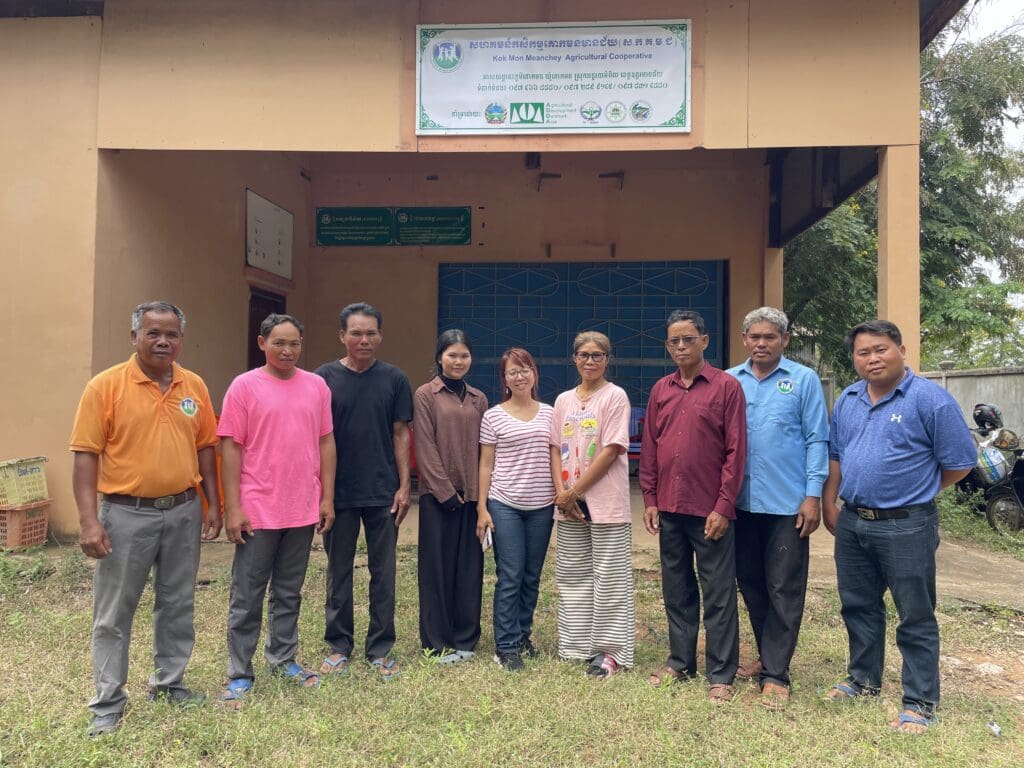
Kokmon Meanchey Agricultural Cooperative (KMAC) works with smallholder farmers to produce and supply quality rice seed. Behind the scenes, we met Poch Poeun, who is a soft-spoken, very hard-working farmer, who eager to step out of the comfort zone in order to improve himself in AC governance and leadership. He has been very active and taking the initiative to strengthen their connection with and lead their producer groups.
He is not the head of the cooperative, but he is very involved in day-to-day work — staying close to the farmers, following up on rice-seed production, and helping with records and documentation. He can write reports, use a computer, and support coordination, even though he does not have internet access at home.
Like many community cooperatives, KMAC’s chairperson holds several roles and can’t always be present. The leader is respected and still makes key decisions, while Poeun supports most of the day-to-day work. Out of respect for this structure, he often waits for approval before acting, even when he already understands the situation well.
This is not a story of conflict. It is a story of a cooperative in transition—moving from a model where one person is seen as “the decision-maker” to a model where responsibilities are more shared and supported by information.
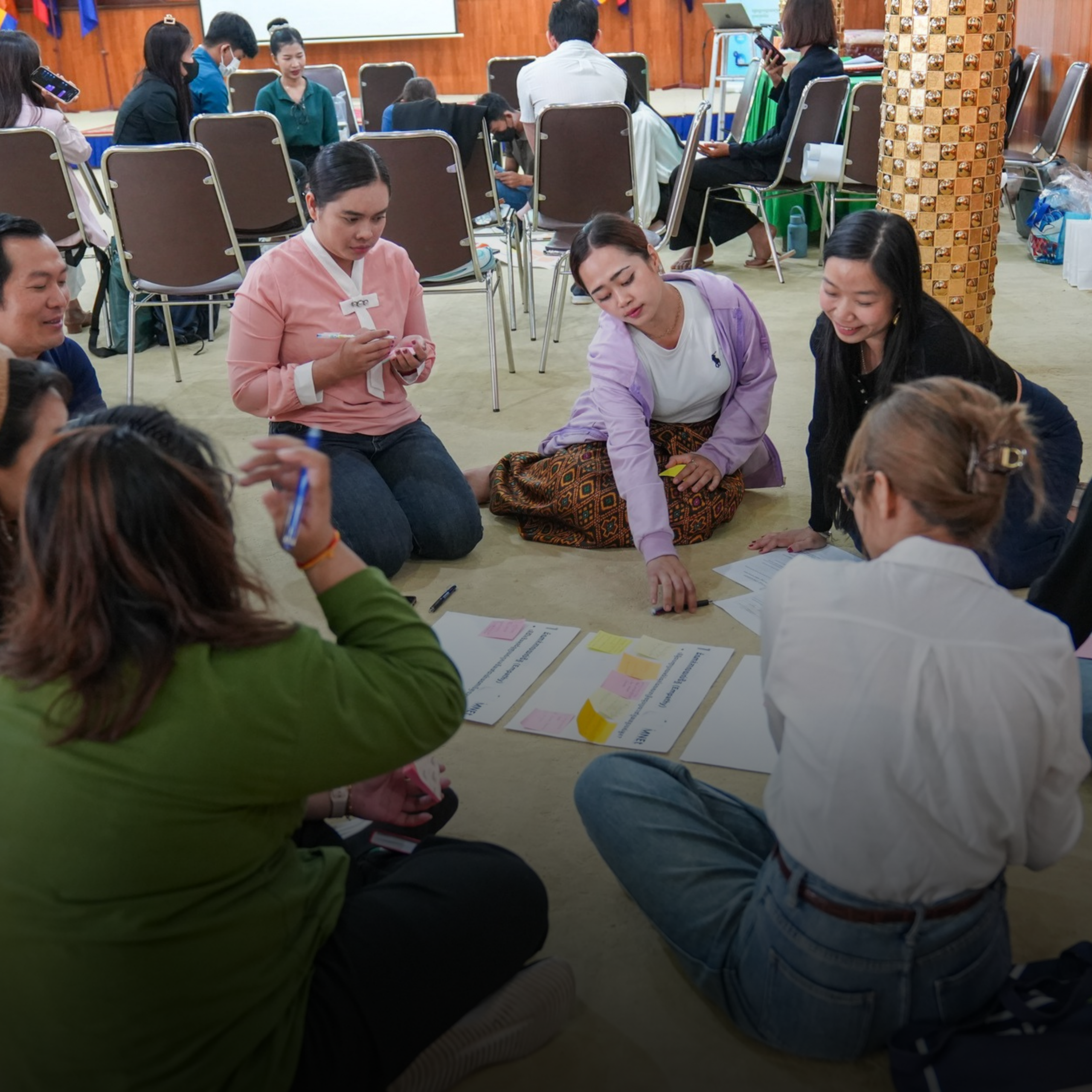
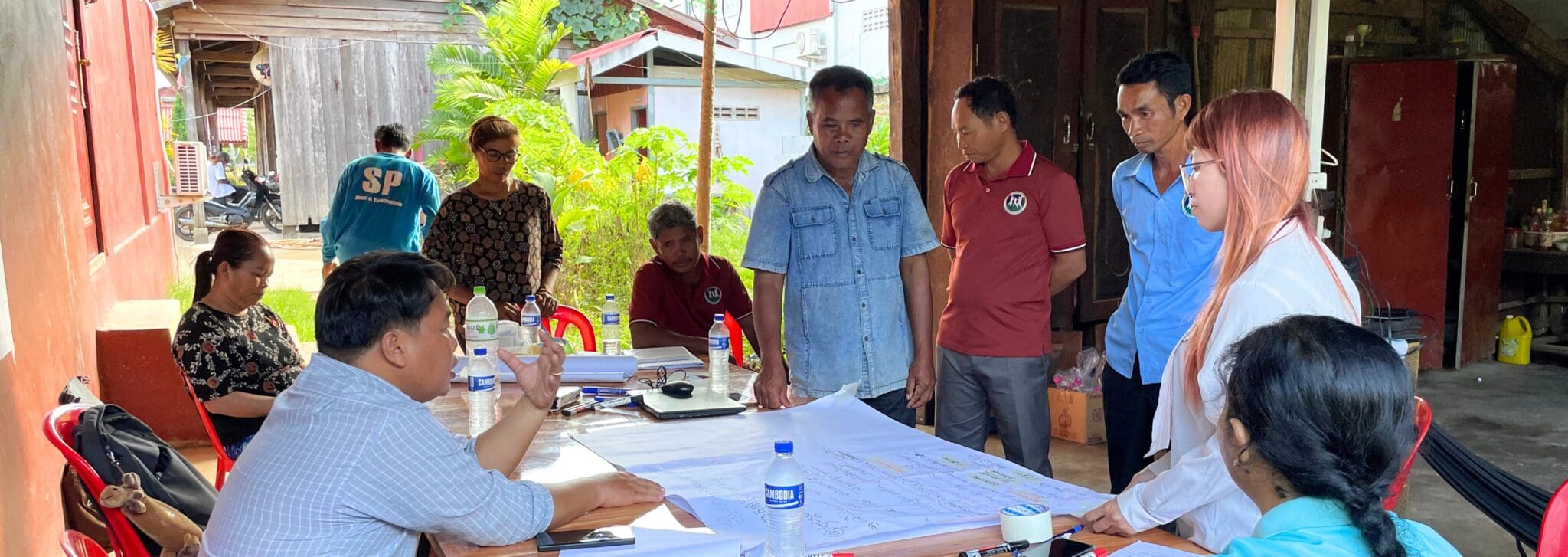
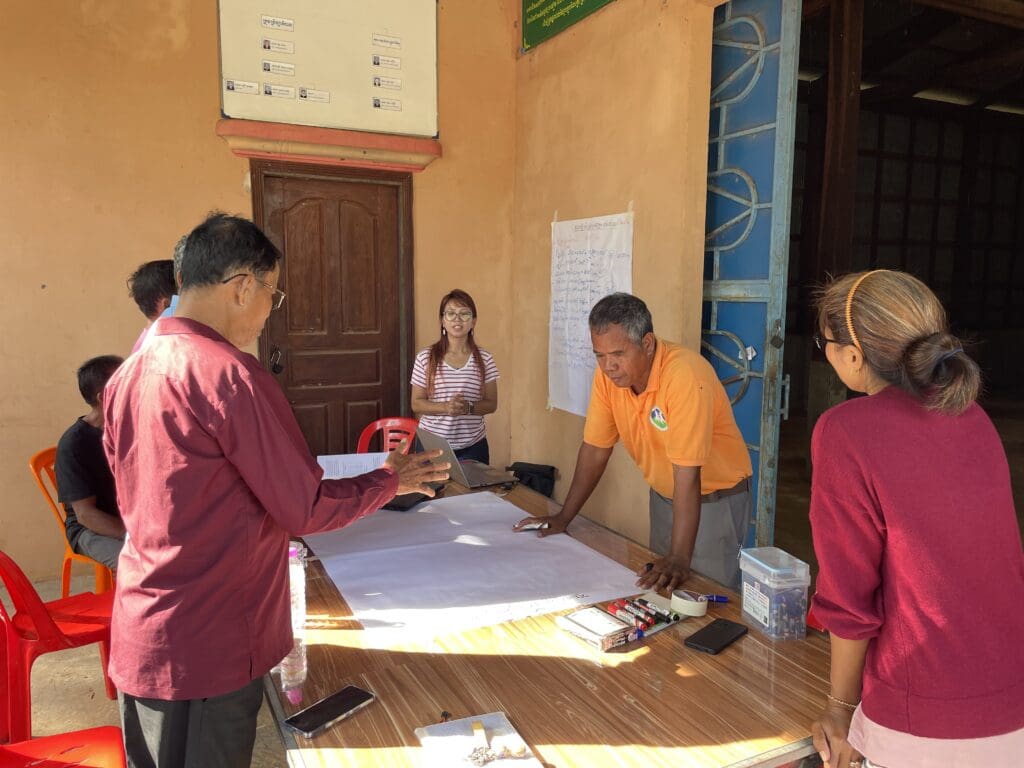
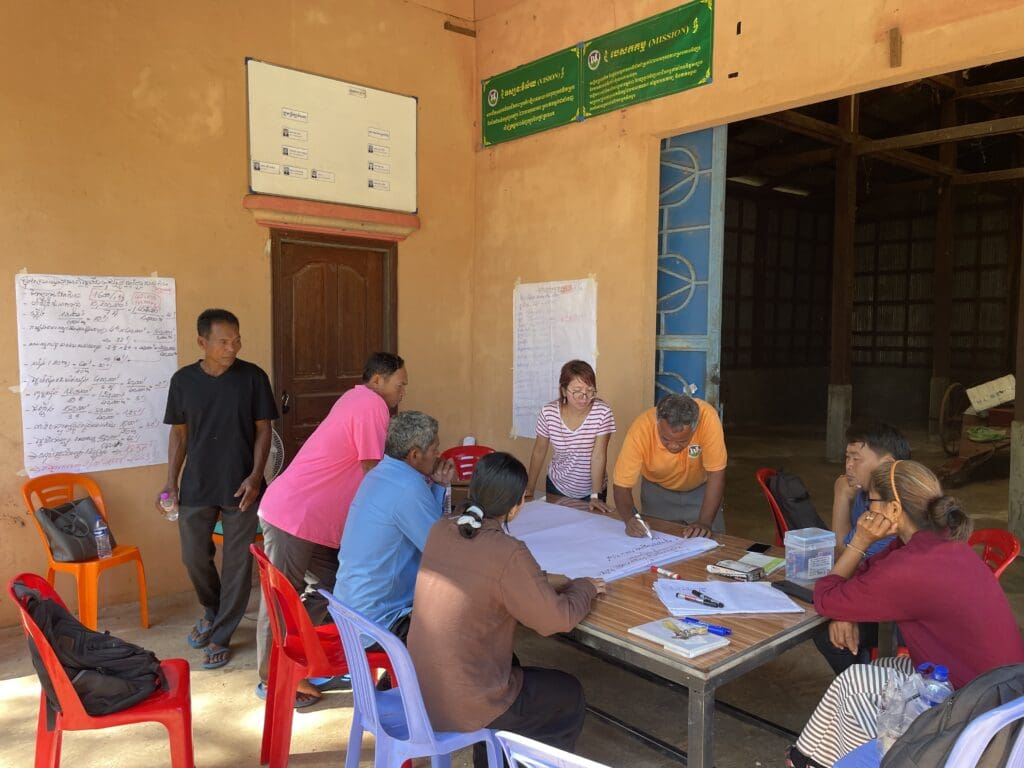
During the adoption visit, we worked with the board to clarify roles and build everyone’s confidence. Together, we went through practical exercises on calculating the cost of goods sold (COGS), understanding profit margins, and estimating the income farmers could expect from rice-seed production. When board members saw the numbers clearly, they started to recognize how each person’s strengths could feed into decisions.
For Poeun, this process made his contribution more visible. With a better grip on costs and profit, he felt more confident explaining figures to farmers and sharing his views in board discussions. For the rest of the board, the session reinforced their shared responsibilities: preparing reports, meeting regularly, managing finances, and making decisions as a team rather than as a single point of authority.
Through this process, the adoption helped the cooperative move toward more shared leadership, where the chairperson’s experience and Poeun’s close connection with farmers work together. This has supported a more confident board and a stronger, more resilient relationship with the producer group at the heart of their rice-seed business.
You also might like
What mission-driven startups actually need to scale: A look at the DGIx accelerator
How the Academy for Women Entrepreneurs Cambodia Empowers Women Entrepreneurs