

Cultivating women's leadership in the agricultural cooperative in Oddar Meanchey
How a Hands-On Adoption Approach Strengthens Farmers and Their Cooperatives.
Dive into the stories of three ventures we visited in Preah Vihear and Oddar Meanchey, where capacity building turns into real change on the ground.
- Huyly Hour
Building Confidence from the Ground Up
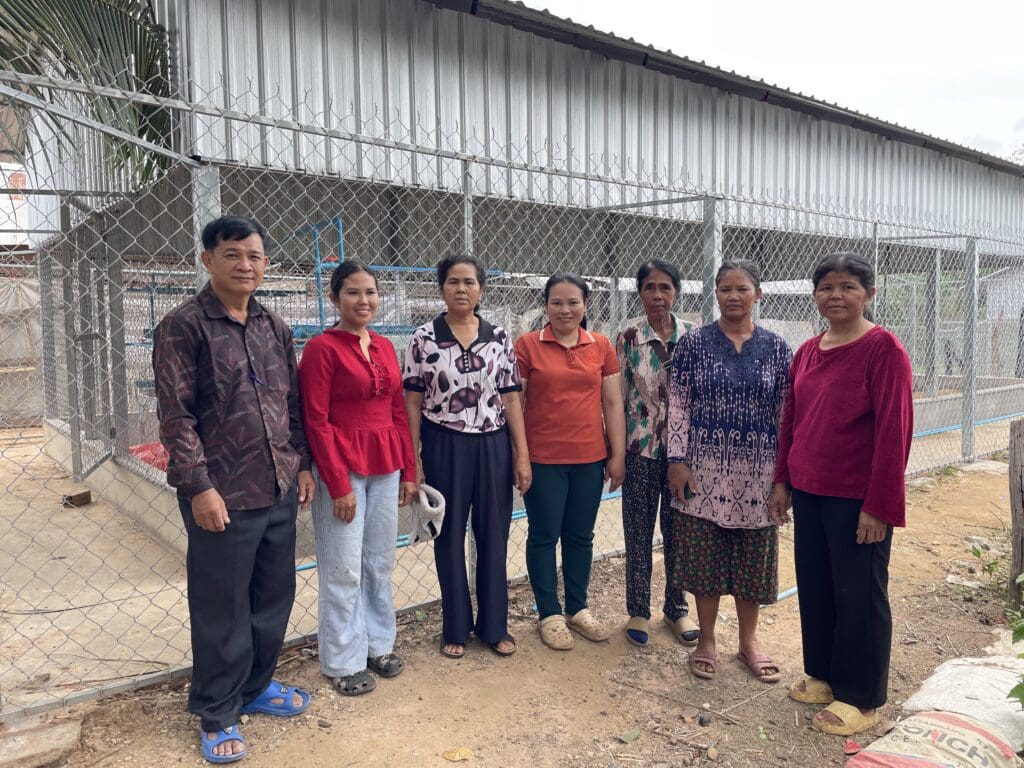
Moan Srie Phum Toul Prasat Agricultural Cooperative is a newly established cooperative — only one year old — still finding its footing in how to manage operations and lead as a team. At the heart of it is Chunny: a young woman serving as the head of the agricultural cooperative’s Board of Directors. Surrounded by elder members with limited access to formal training, her energy and determination stood out. She could become one of the next women leaders in Cambodia’s agricultural sector.
The cooperative focuses on raising and selling chickens, yet before our visit, the members didn’t fully understand how to calculate their production costs or determine how much profit they could make. Many joined with the hope of earning income and receiving profit shares at the end of the year, but there was no clear system to measure results or distribute earnings fairly.
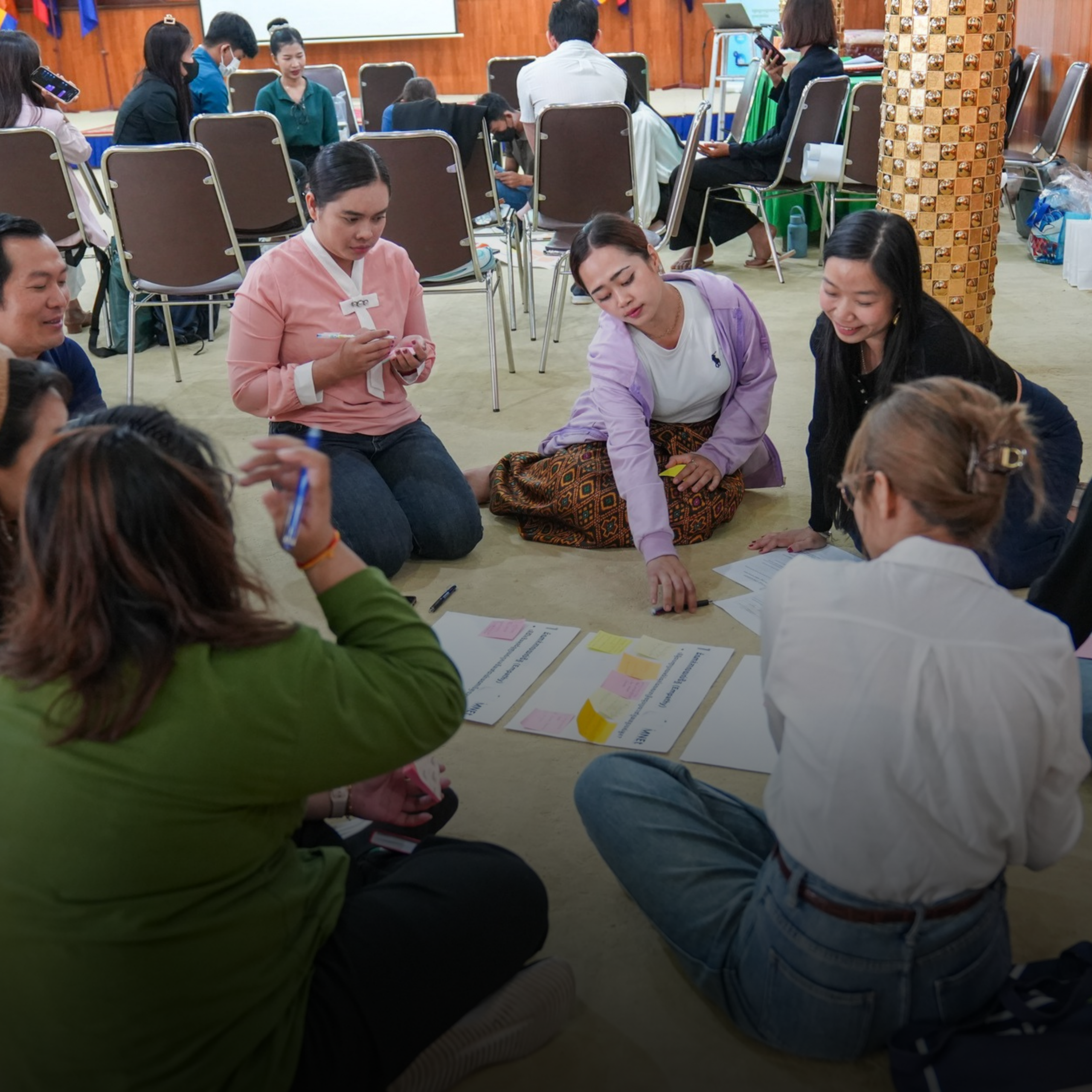
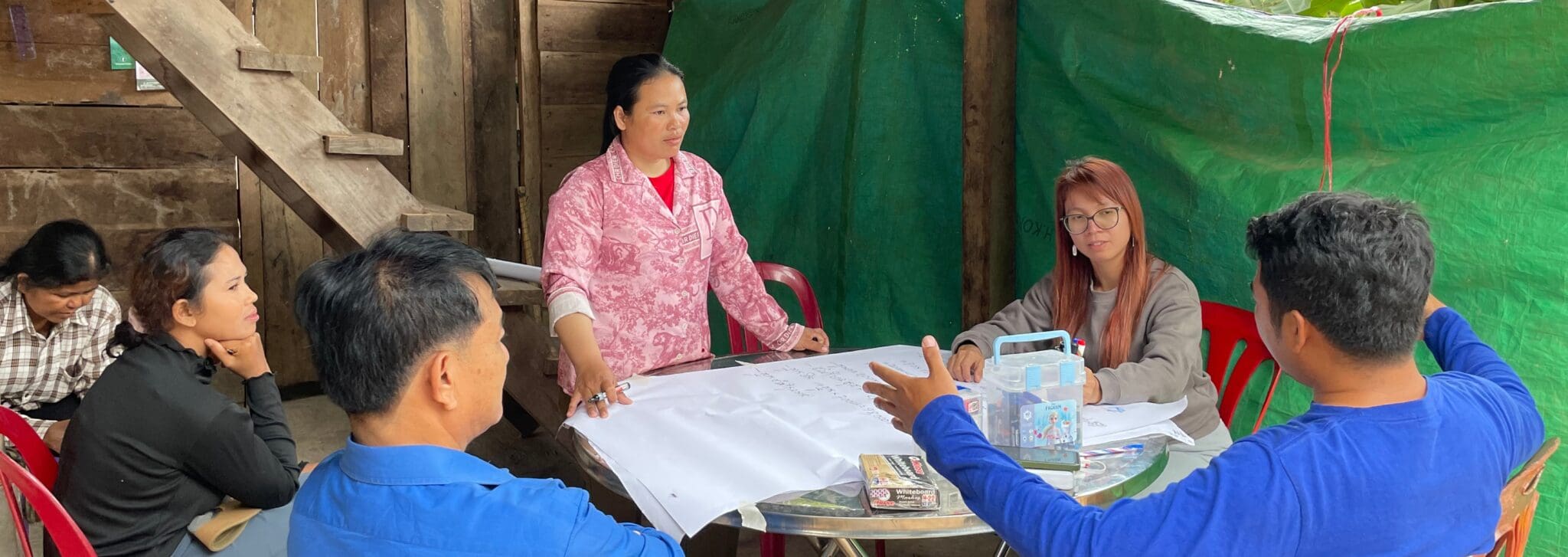
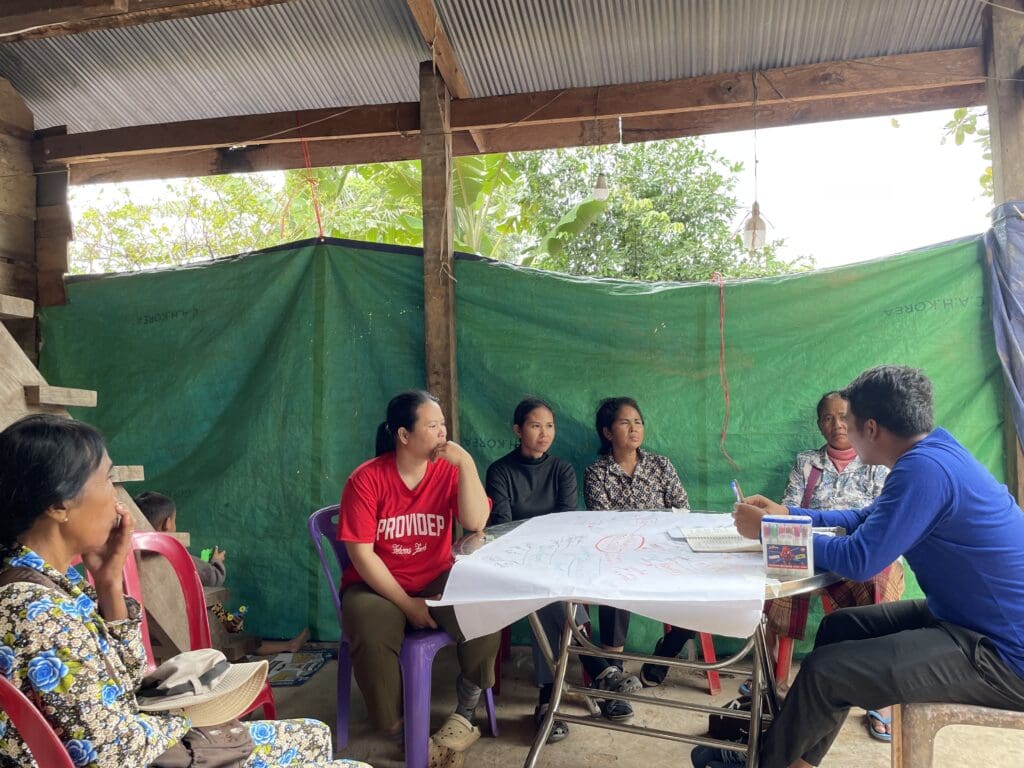
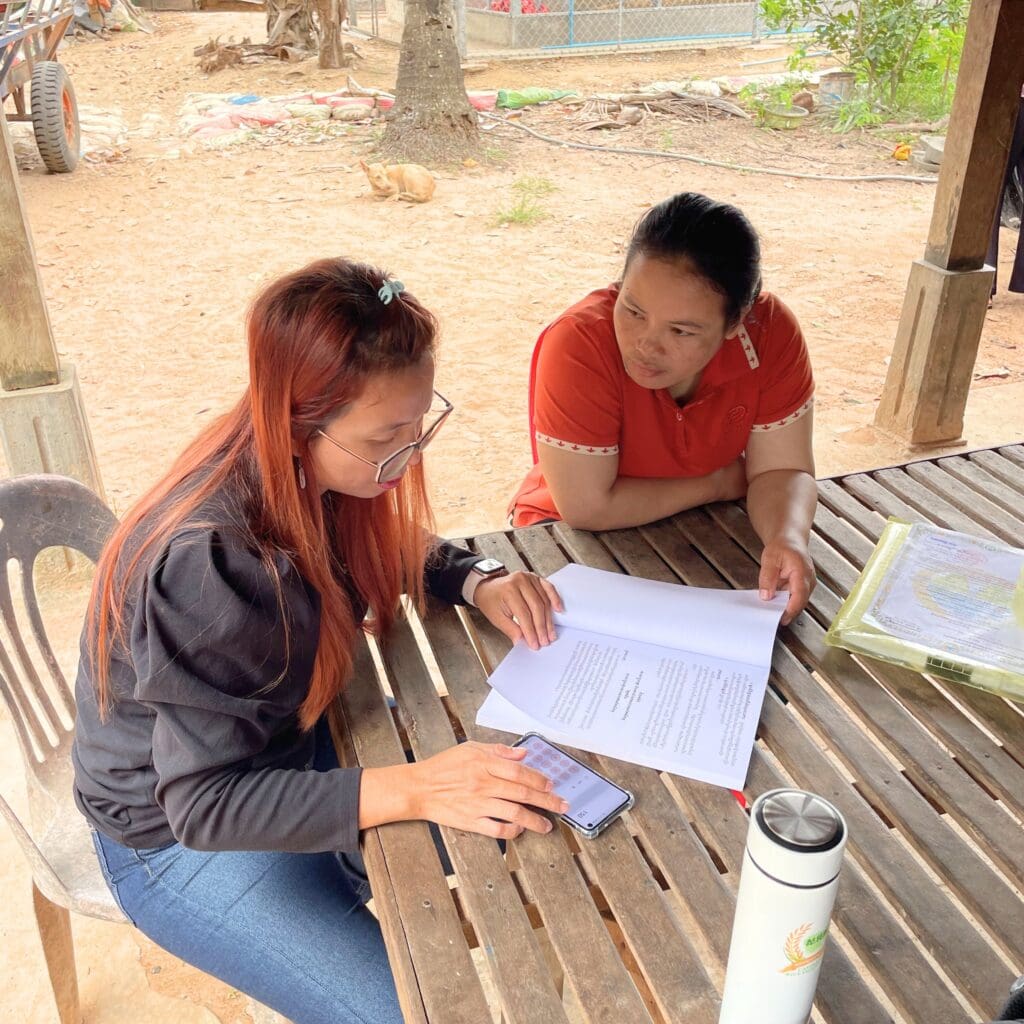
During the adoption visit, our team and mentors guided them through the basics of cost calculation and profit sharing. Together, we mapped out their expenses — from feed and materials to maintenance — and identified how much they could actually earn per kilogram of chicken. Then, we facilitated a discussion on how to divide the profit: what portion should stay within the cooperative and what should be paid out to its members as dividends.
This was their first experience doing these calculations themselves. By the end, they not only knew their cost of production but they also felt confident and in control over their business plan and sales goal.
We also walked them through what it takes to govern a cooperative responsibly — how to prepare annual activity and financial reports, hold meetings, and plan for the following year. These might seem like small steps, but they are crucial for a young cooperative like MPTAC to stay legally recognized and earn its members’ trust.
For the team, this wasn’t just about numbers. It was about helping them believe that they could run their cooperative, plan ahead, and engage more farmers to join their effort. MPTAC left the session with new skills, clarity, and the confidence to grow as a community-led business.
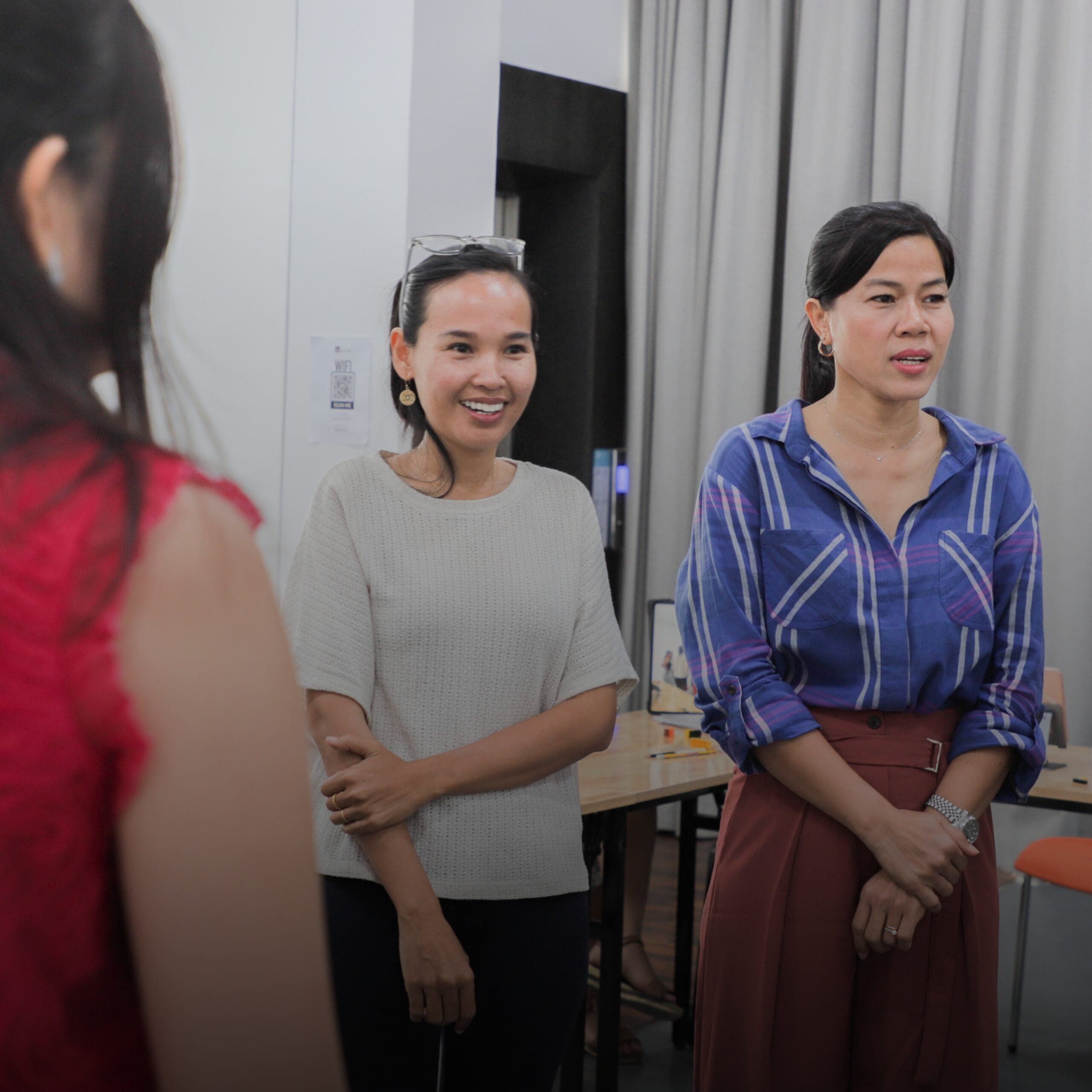
Interestingly, during our visit, we met another young woman who had just joined the cooperative. She’s a teacher — passionate, curious, and eager to start her own small chicken-raising business. “Seeing her and Chhunny, the current head of the cooperative, side by side felt like spotting a spark of possibility,” said the other elder member of the board of directors.
Chhunny is full of energy and potential, but leading a new cooperative mostly made up of older members can be tough. Many are hesitant to try new approaches or take on leadership roles. That’s why the idea of these two young women working together stood out,” said Alyny. If they collaborate — combining Chhunny’s leadership and the teacher’s resourcefulness — they could bring new energy and direction to the cooperative. It’s this kind of partnership that could help MPTAC move from simply existing to truly growing.
You also might like
What mission-driven startups actually need to scale: A look at the DGIx accelerator
How the Academy for Women Entrepreneurs Cambodia Empowers Women Entrepreneurs